I was lucky to be interviewed by Pink Magazine here in the low country. Serving over 50,000 people in the Hilton Head, Bluffton and Beaufort counties. I did take the liberty to corrected a few things…the interview was an emotional one…But I thought you might like to take a peak:
No More Body Shaming
March 2026 Issue
by Edwina Hoyle
Photography by
Cassidy Dunn Photography
Like most of us, Anne Poirier grew up in a home with a scale in the bathroom. She recalls that bathroom was where her parents weighed themselves religiously every day.
As a child, Anne was taught that food was both a punishment and a reward. Both she and her brother were adopted, and she didn’t resemble anyone in her family. The difference boiled down to a few words: stocky, sturdy, husky, and her brother’s nickname for her—“Annie Fanny Farmer”. Anne’s clothes were always purchased in the husky section at Sears.
When Anne was 11 years old, the pediatrician emphatically said she should not gain more weight. Her self-image, self-esteem, and self-confidence were already damaged, so she stopped eating. She developed Anorexia Nervosa, which is both an eating disorder and a serious mental health condition. People who have anorexia try to keep their weight as low as possible by eating very little, exercising excessively, and taking laxatives.
“I lost so much weight that I continued to disappear,”
Anne said. “My mother saved my life. She got a book from the library called Eating Disorders, by Dr. Hilde Bruch,” Thanks to her mother, Anne was hospitalized. While there, she told the psychiatrist she wanted to go back to school. But she was given a stipulation—if her weight got below 80 pounds she would have to return to the hospital.
“Weight was the driver in my relationship to food and exercise. My new obsession became soccer. In my healing, I’d binge and exercise compulsively. I was on yo-yo diets for decades,” Anne said. “In school, all the females were more feminine and smaller. I felt like everybody was looking at me, and that internal dialogue got louder and louder. A college coach weighed us in front of everyone. I got on the scale, and she said, ‘What did you do all summer Anne?, EAT?’ The seeds were planted—husky clothes, critical words, and weight scales haunted me. I had this disorder into my 40s.”
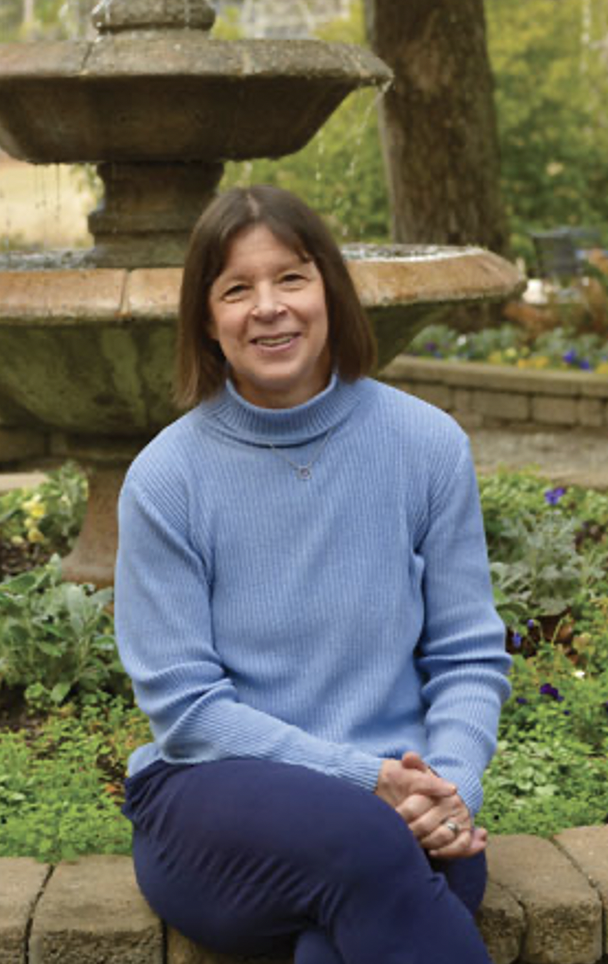
Anne had two major relapses—
Once in college, and once during her divorce, which was when she realized she was a bad influence on her two girls. “I was running and teaching aerobics and everything was falling apart. As a fitness instructor, I was very good at hiding it. With high-functioning depression, everything looked fine. My internal world was my problem. Where did my inner critic come from? My self-esteem was impacted, and I drowned out the voices by eating.”
So, Anne started therapy and went back to school to study eating disorders and body image healing. She slowly began to heal her own relationship with food, her body and herself. She is now Body Image Mentor, Life Coach, Intuitive Eating Counselor and Director of Behavioral Health at Hilton Head Health. Her mission is to help others step away from dieting and redefine their relationships with eating, their bodies, and their emotional well-being. “I got so mad at the diet industry. There’s so much pressure, even for men.
Social messaging makes things worse.
The message is ‘if I look like this, I’m worthy.’ And with social media, there’s so much pressure on teenagers. We all want to feel beautiful and be seen. We have incredible willpower, until we don’t,” Anne said. Anne founded Shaping Perspectives, a global online source of support, encouragement and inspiration for women of all sizes, shapes and weights so they can say “No” to diets, reject society’s thin ideal and heal from the diet culture. Then she became a best-selling author with her first book, The Body Joyful – My Journey from Self-Loathing to Self-Acceptance. Inspiring and empowering, this relatable story offers the reader permission to find self-worth, hope, healing, and transformation, regardless of weight, size or shape.
Not a Fat Annie
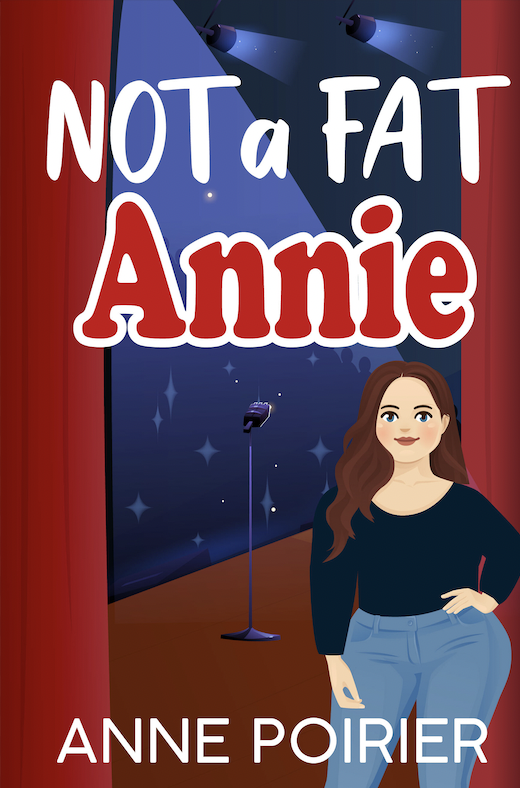
Her second book, Not a Fat Annie, tackles the difficult but relatable subjects of bullying, body shaming, fat phobia, and self-criticism, while offering readers (both teens and adults) tools to enhance body image, boost self-esteem, build resiliency, and ultimately save lives.
Her newest book, The Body Neutrality Playbook, will help readers transform their relationship with their bodies through practical tools and daily practices that promote self-acceptance and inner peace. “The Playbook teaches to respect the body, appreciate it for what it does, and listen to what it needs. I use a good gift–bad gift analogy. If someone gives you a good gift, you take care of it. A bad gift goes in the back of the closet, to Goodwill, or is thrown out. Your body is a good gift,” Anne explained.
“I’ve learned you find your calling or genius when you have difficult circumstances. Now, I have my passion work, and for that I am grateful.”
Anne’s Health Tips:
- Start to think of your body as a vehicle for your life experiences. Develop a body gratitude practice by thinking of three things your body did for you each and every day.
- Be more aware of your internal dialogue you have with yourself and try to speak kinder to yourself. When you do something wrong, don’t think, “Oh, I’m so stupid.” Instead of beating yourself up, look at the incident with curiosity and compassion. Be aware of your inner critic and try breathing to create inner space which helps control the critical inner voices.
- Shift your perspective of exercise. Divorce it from being connected only to weight loss and changing your body. For example, exercise and movement will reduce stress and increase strength so I can impact my quality of life and so I can keep my independence.
- Stress impacts health and much of our day, we are in reaction mode. So instead of reacting, do try to pause, take some deep breaths and see if you can do something proactive for yourself. Maybe something joyful that helps you to relax. It could be walking, meditating, doing a craft, or journaling.
- When eating, listen to your body before, during, and after. Before choosing something to eat, ask if you are hungry. Be mindful as you eat, and even ask yourself what will it feel like in your body after you eat it? Pay attention see if you eat when you are not hungry. Try to notice when you are getting full and try to eat only until you’re about 80% full. Also, eating is often connected to your emotions. If you eat because you are anxious, bored or lonely, the eating doesn’t really help. Once you are aware of that, you can ask yourself-what might help to tend to the emotion itself? Lonley? Call a friend. Bored? Pick up a book or learn something new.